
The right therapist for you
Expert care for anything you’re going through
Your therapist works here








A few common types of therapy
Acceptance and Commitment Therapy (ACT) uses a mix of acceptance, mindfulness, and behavior change strategies to improve mental well-being and increase psychological flexibility. ACT is a very experiential type of therapy that uses in-session exercises, metaphor, language, and physical movement to focus on living a valued life instead of getting stuck in needing to "get rid" of suffering.
One of the biggest skills gained through ACT is listening to your own self-talk—the way you verbalize and understand things like past trauma, physical limitations, past relationships, or anything else on your plate. And, then with that understanding, choosing how to move through it — either by change or by acceptance.
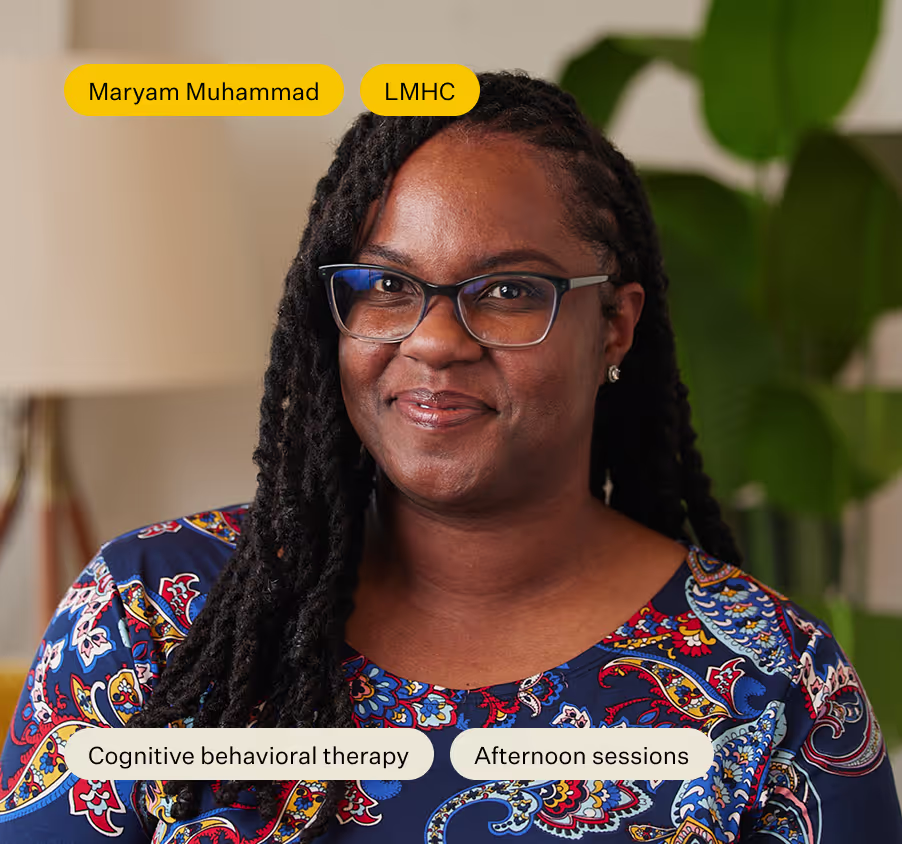
Cognitive-Behavioral Therapy (CBT) is a here-and-now approach to examining how thoughts, feelings, and behaviors are connected and impact our overall well-being. CBT focuses on identifying maladaptive thinking and behavioral patterns and implementing specific strategies to reduce symptoms of depression, anxiety, trauma, etc.
CBT is an active, problem-focused approach that helps to directly challenge various cognitive distortions and change unhelpful patterns of thinking and behavior.
Dialectical Behavior Therapy (DBT) focuses on learning to manage difficult or intense emotions and to decrease conflict in relationships. The underlying philosophy of DBT hinges on the important dialectic that we are all doing the best we can, and we have the ability to be better. DBT specifically focuses on providing CBT-like therapeutic skills in four key areas — mindfulness, distress tolerance, emotional regulation, interpersonal effectiveness.
Emotionally Focused Therapy (EFT) is a present-focused form of therapy that focuses on identifying the way you form relationships, maintain, and act in relationship with yourself and others. Originally developed for couples therapy, EFT helps individuals and couples identify emotional patterns, learn to regulate emotions and more accurately identify needs, and re-wire painful patterns of relating.With your therapist, you'll look at past patterns and work through any anger, fear, or loss of trust — coming out the other end able to connect with others in a way that feels true, unburdened, and genuine.
Psychodynamic Therapy is an in-depth form of talk therapy focused on building insight into your relationship with yourself, others, and the external world. Psychodynamic therapies focus on exploring unconscious motivations, early life experiences, and patterns in relationships through the therapeutic relationship.
Speaking freely about whatever is on your mind to address your most pressing issues, fears, or desires, you'll learn to analyze and resolve any current issues through exploration of self and past.